The Scheme of 22 May 1980 allows the trust to act in four ways, listed (a) to (d) in the founding deed. We have given each of them a Welsh name so that villagers can ask for the right kind of help without having to read a deed of trust.
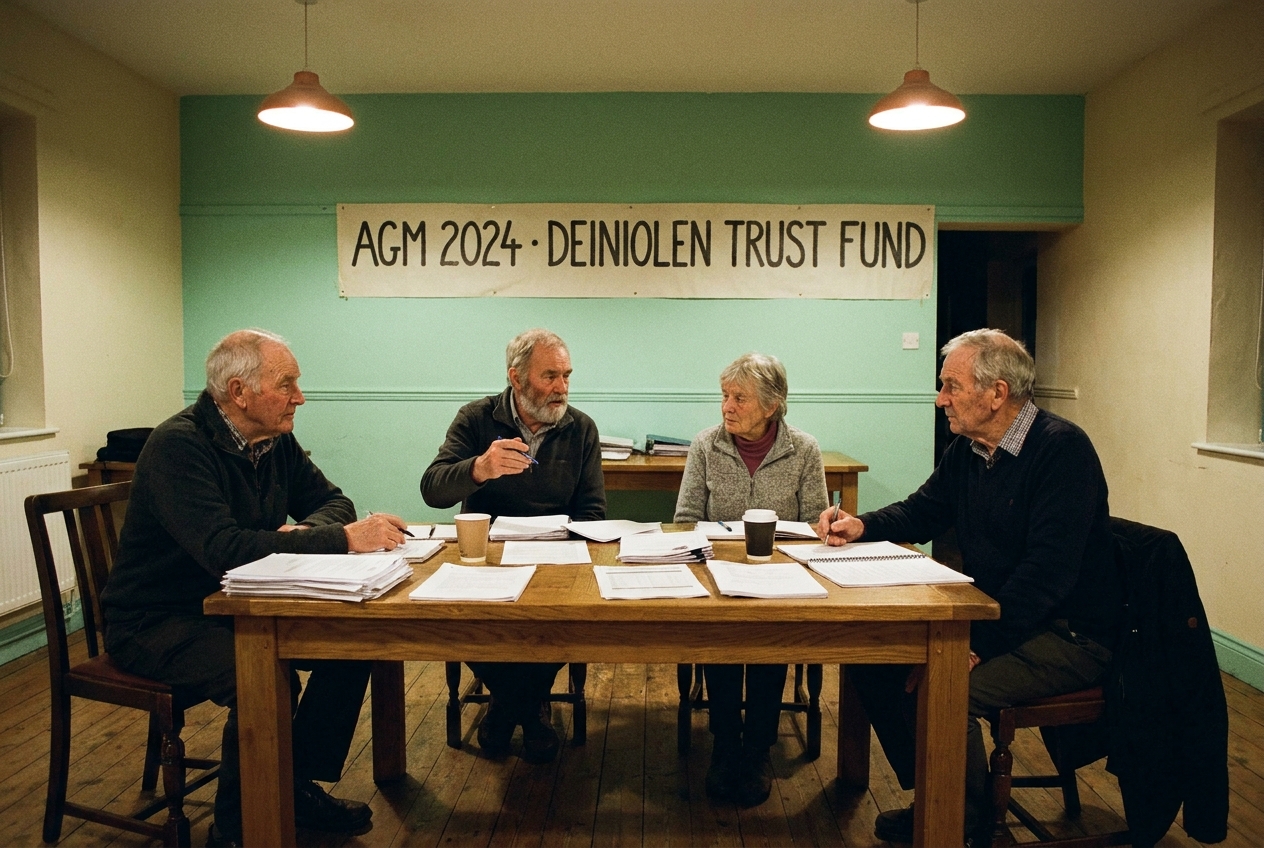
What follows is the entire grant-making practice of DEINIOLEN TRUST FUND, in plain English and Cymraeg. Every programme has the same eligibility test: the beneficiary must live in, or be a child of, the village of Deiniolen, as defined in the 1980 Scheme. Applications are read in batches at our two annual board meetings (January and July) and a small reserve meeting in May if the post is heavy. Most decisions take a single evening; a few take longer.
Object (c) · Recreation & leisure
Grantiau Cymunedol — Community Grants.
Small grants of between £50 and £450 to village societies, clubs, choirs, sports teams, the Memorial Hall committee, the Eisteddfod committee, Capel Bethel’s Sunday School, the cylch meithrin, and informal community groups (a knitting circle, a walking club, a quarry-heritage afternoon). We do not fund individuals under this programme; we fund the organisations the village forms.
Who can apply: any constituted or informal Deiniolen group whose activities benefit village residents. What we fund: equipment, hall hire, modest one-off project costs, kit, printing, refreshments at community events. What we will not fund: salaries, capital projects above £500, religious worship costs (we do fund the social activities of churches and chapels), or anything taking place outside the village or its near neighbours.
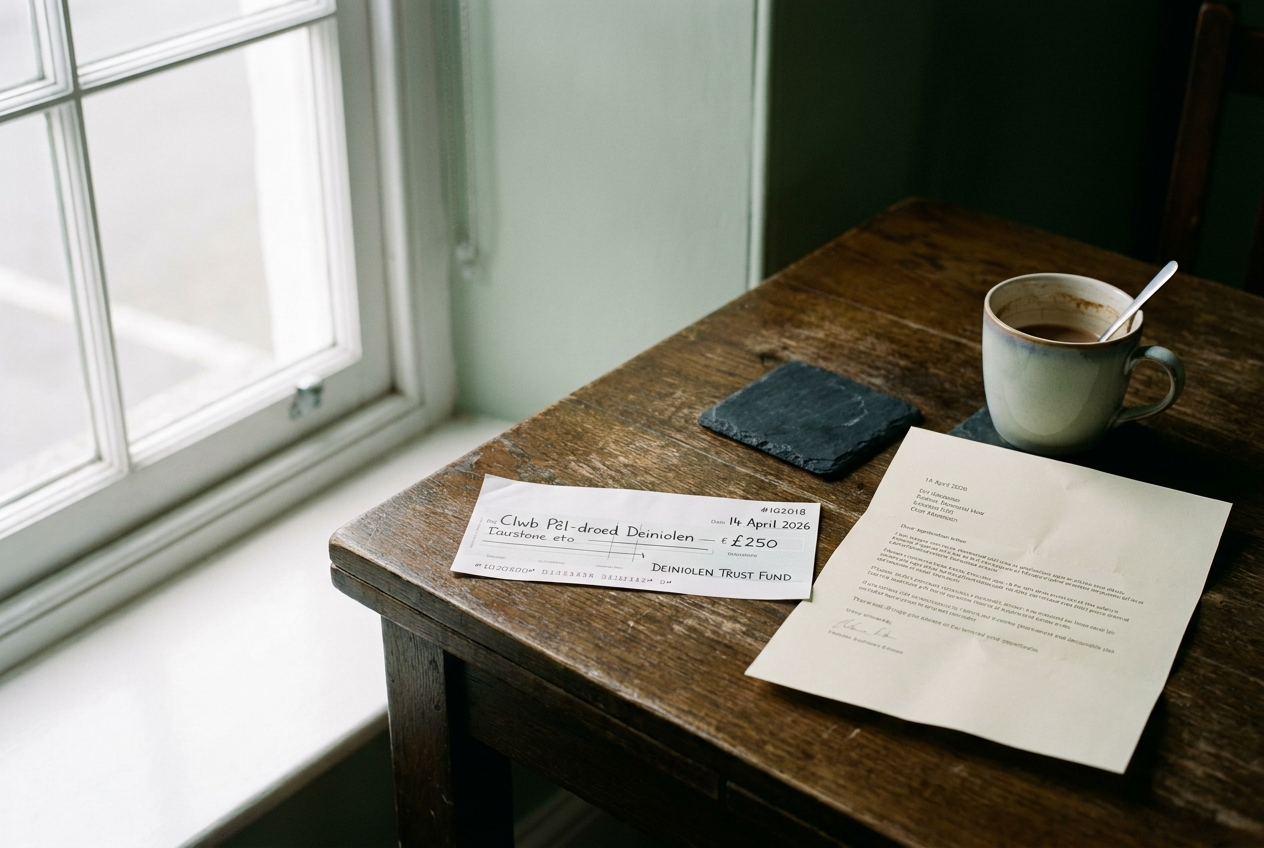
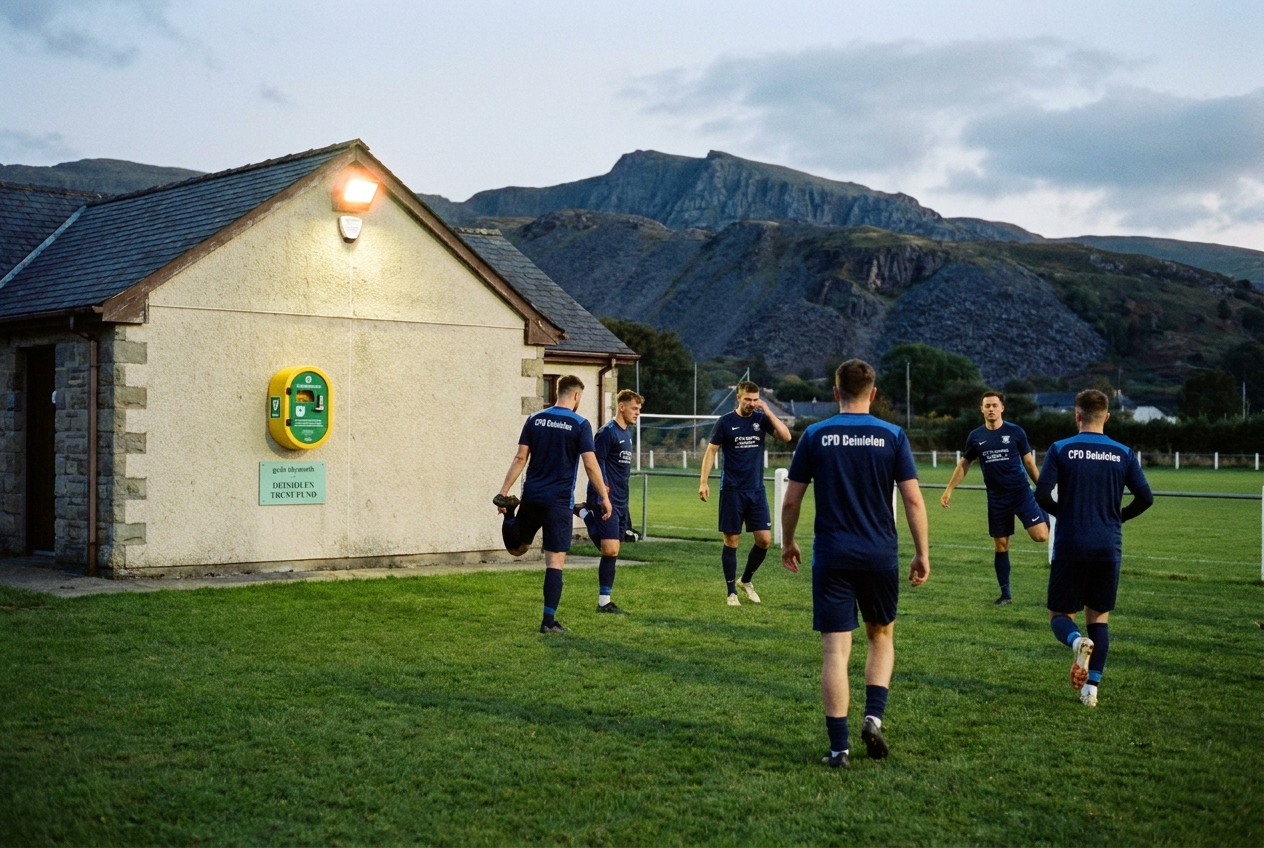
Recent grants: £250 to Clwb Pêl-droed Deiniolen for defibrillator service and new corner-flags (April 2025); £180 to Cymdeithas Hanes Deiniolen for the printing of a village-history pamphlet (June 2024); £120 to the cylch meithrin for Welsh-language children’s books (annual, 1998 onwards); £160 to the Memorial Hall for emergency replacement of the entrance-door handle and weather-strip (October 2024).
Supported by: Clwb Pêl-droed Deiniolen, Cymdeithas Hanes Deiniolen, Memorial Hall committee.
Object (a) · Relief of poverty & the aged
Llaw i’r Aelwyd — Hand to the Hearth.
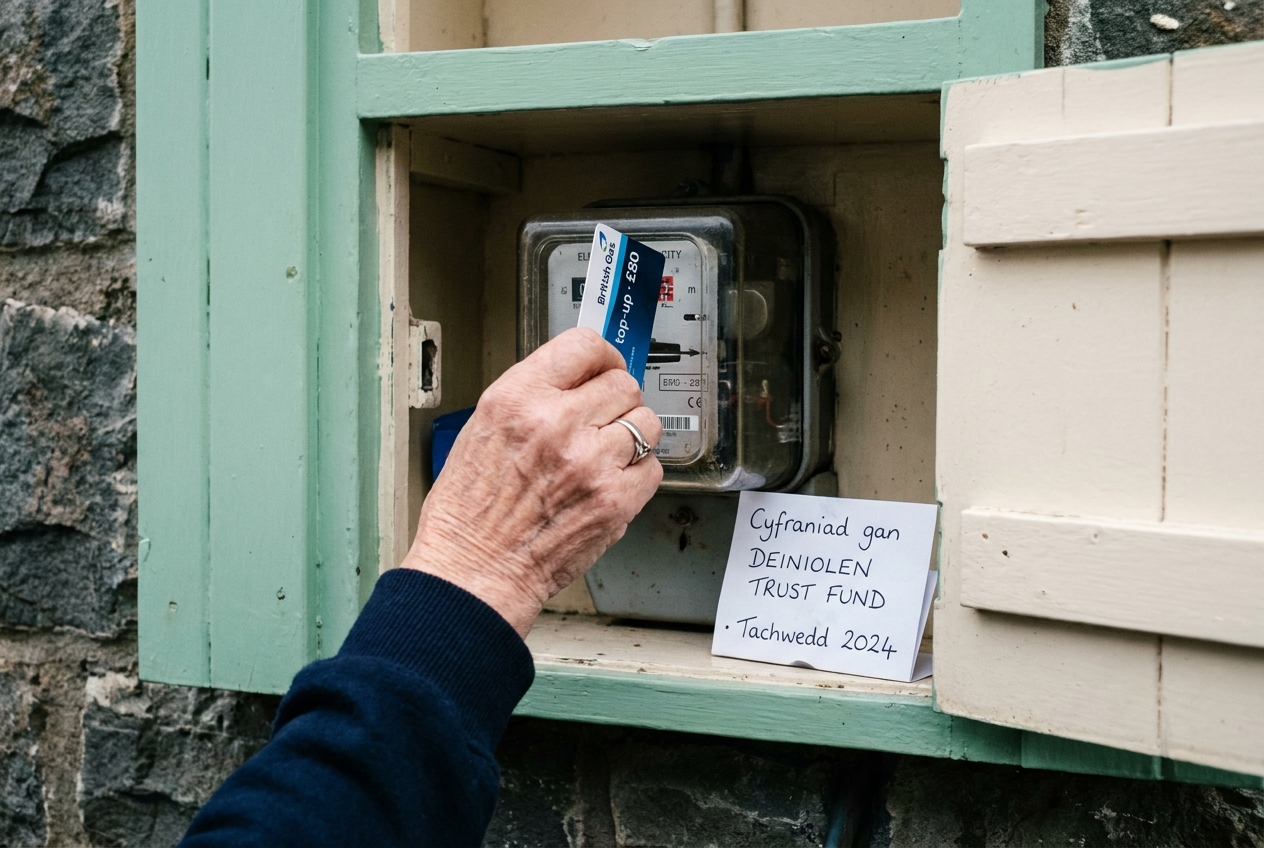
Quiet hardship grants to Deiniolen residents — most often older neighbours, families with school-age children, or those on a single income coming through a difficult winter. Grants are typically £40 to £180, given by cheque or, more often, as a fuel-card top-up, a supermarket gift card, or in person as a small bag of essentials brought to the door by a trustee.
Who can apply: any Deiniolen resident, on their own behalf or referred by a third party (the school, the chapel, a neighbour, the district nurse). How we work: we will always read a one-paragraph letter; we will, where the circumstances allow, write it down on your behalf if you would rather speak it. We do not require receipts; we do not means-test; we trust the village to ask honestly. What we will not fund: regular long-term support (we are not statutory welfare), or anything that should be funded by Cyngor Gwynedd, the NHS, or Universal Credit.
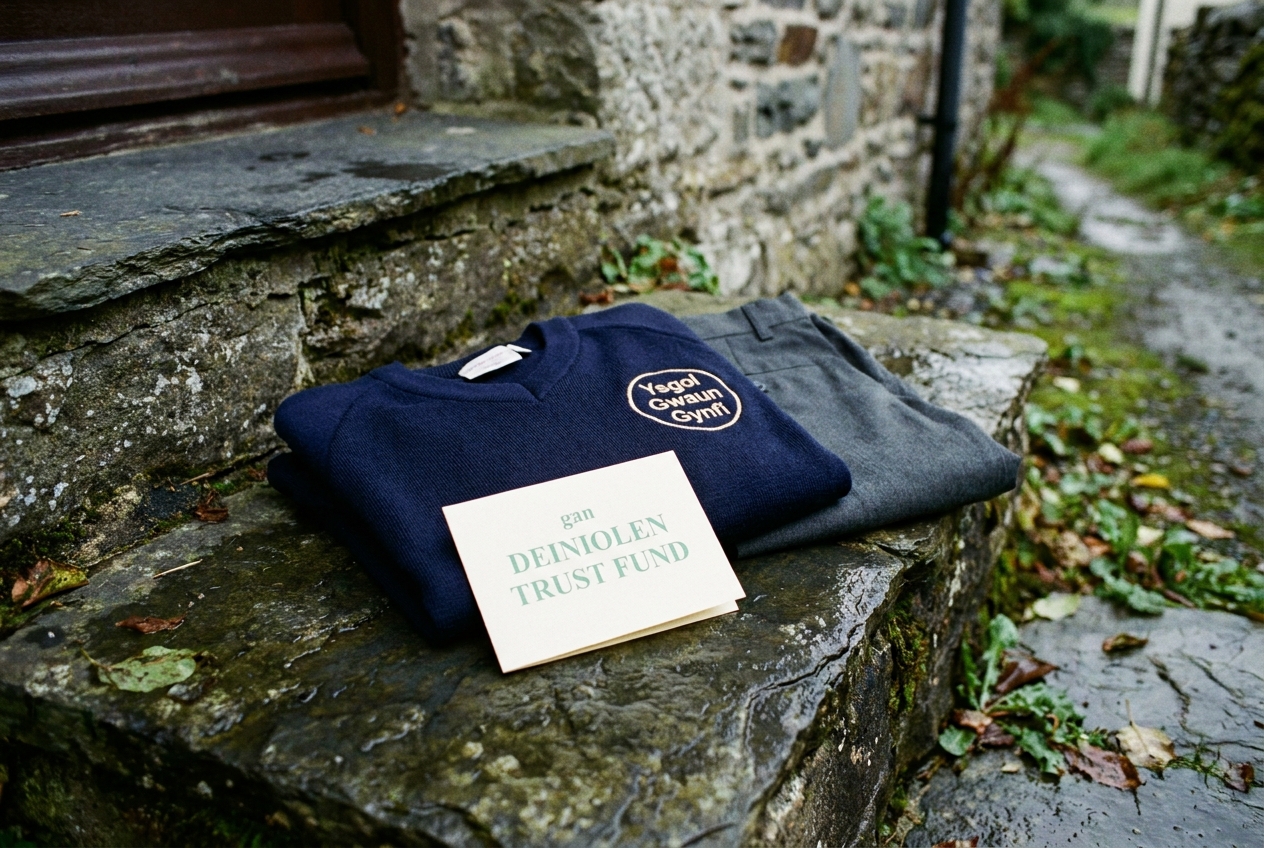
Recent grants: £120 fuel-card top-up after bereavement (December 2024); £80 school uniform replacement for a family of three (September 2024); £60 winter heating after boiler failure (January 2025); a weekly shop for a recently widowed neighbour, by hand (February 2025). 2020 was an unusual year: the entire £2,840 of that year’s income was given to Llaw i’r Aelwyd, doubling the number of small grants.
Object (b) · Distress & sickness
Galar a Gwellhad — Bereavement & Convalescence.
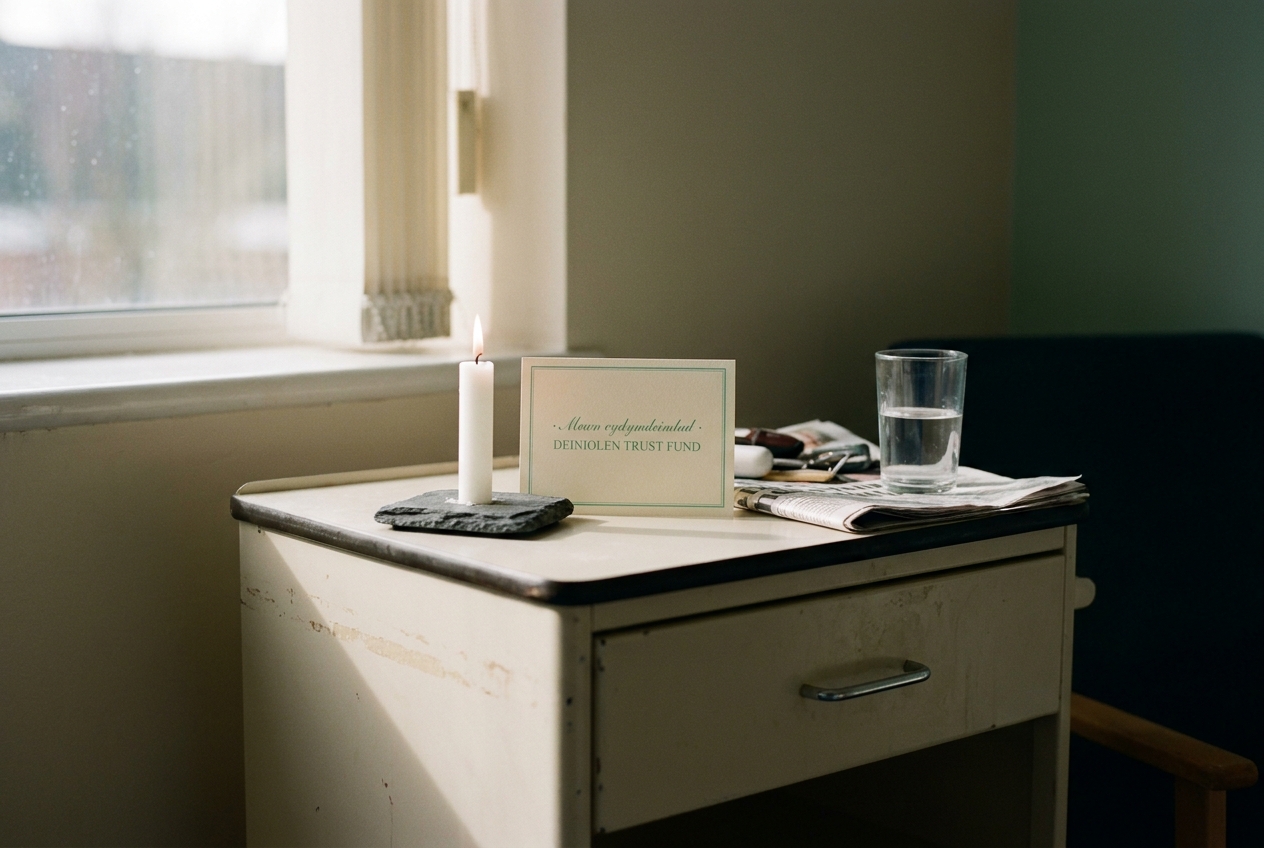
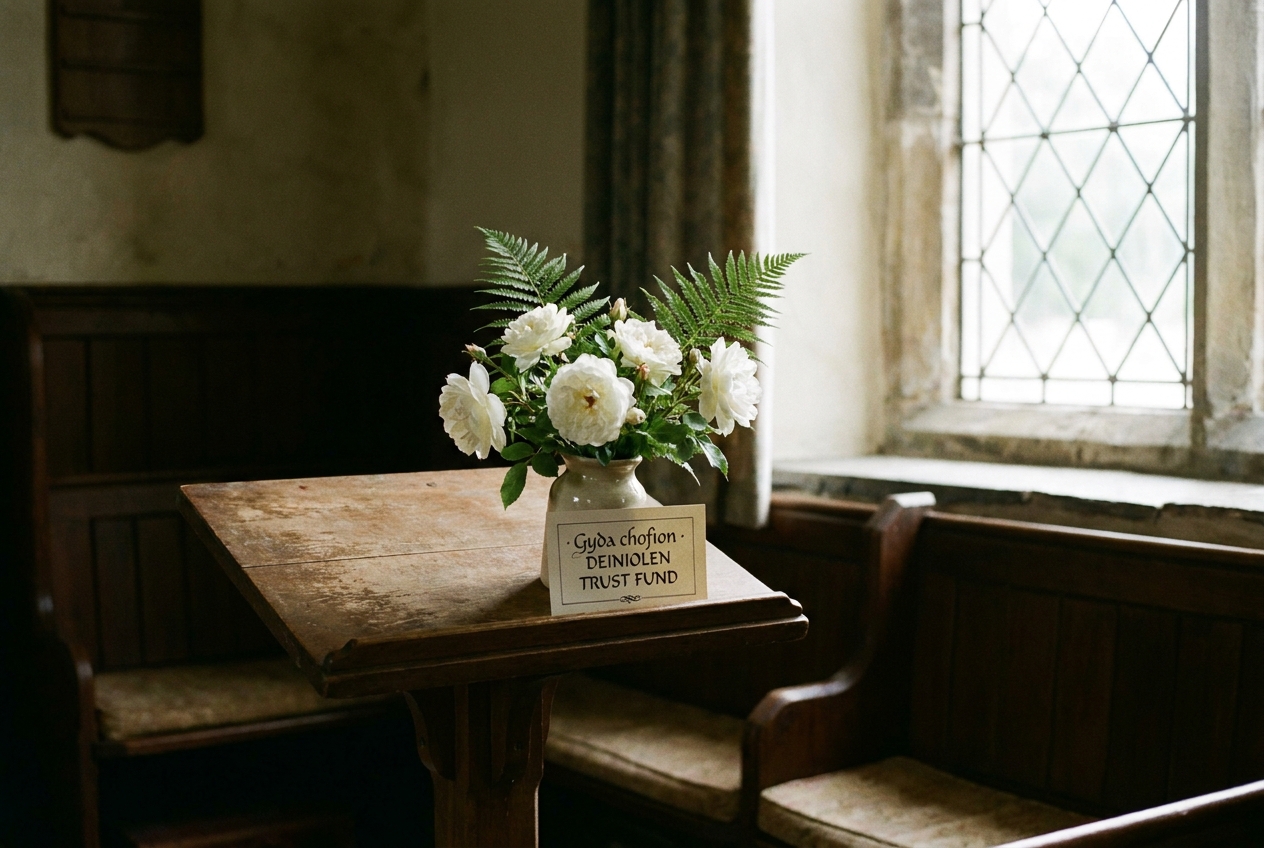
Very small grants to ease a hospital stay, a convalescence at home, or the days after a death — flowers for the chapel, a taxi to Ysbyty Gwynedd, a card and a tin of biscuits, a contribution to a wake. Most grants under this programme are under £80; they are often given without an application letter, on the advice of the district nurse or the minister, with the trustees agreeing by telephone between meetings.
How we work: this is the only programme we run without a written application. A telephone call from the family, the chapel, the school, or the surgery is enough. One trustee will visit if the family agrees, and a small grant will follow within the week. What we will not fund: funeral costs in their entirety (we have part-funded; see the honest paragraph on our mission page), or hospital-related travel beyond Gwynedd.
Recent grants: £60 toward chapel flowers (March 2025); £40 toward a wake at the Memorial Hall (August 2024); £75 in taxi vouchers to Ysbyty Gwynedd during a three-week treatment course (October 2024); £45 for a get-well card and food parcel after surgery (February 2025).
Object (d) · Education
Lle i Ddysgu — Place to Learn.
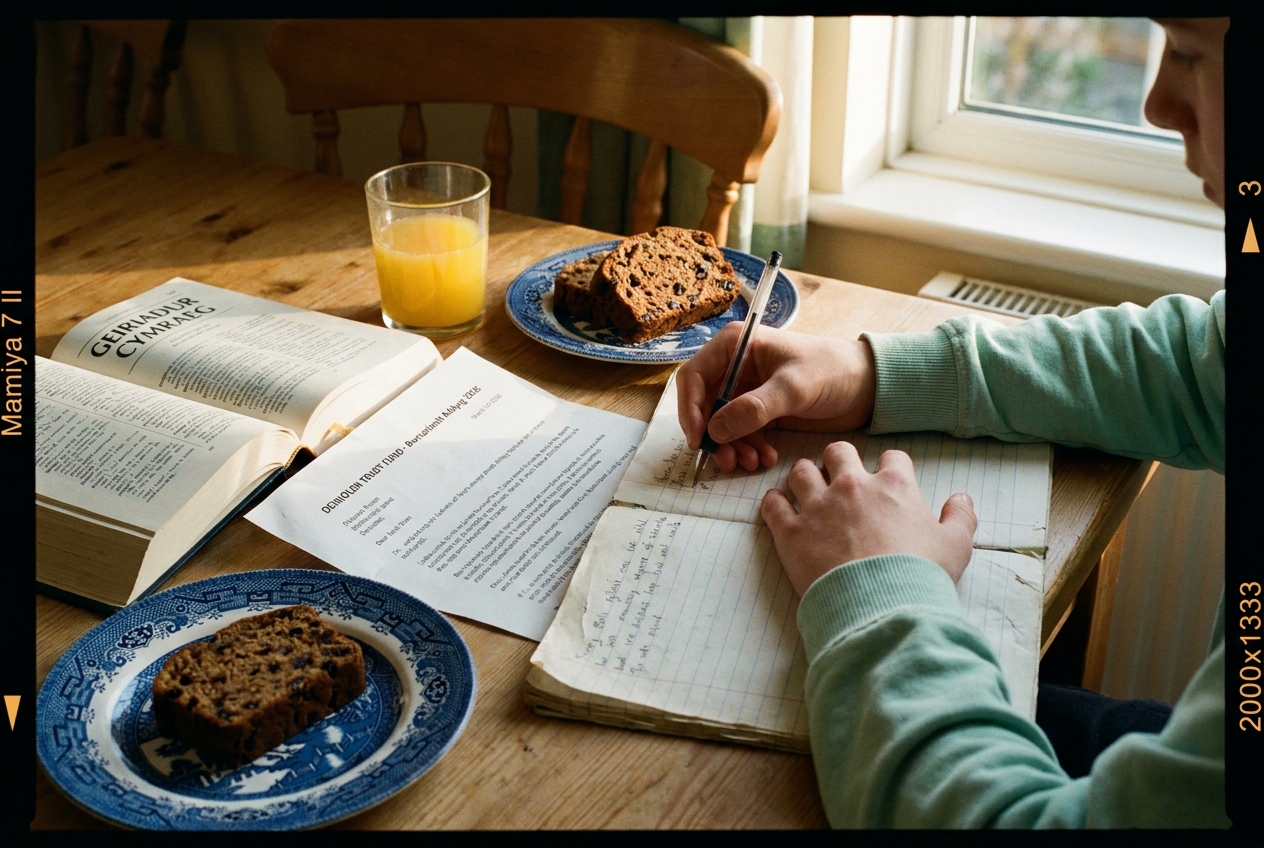
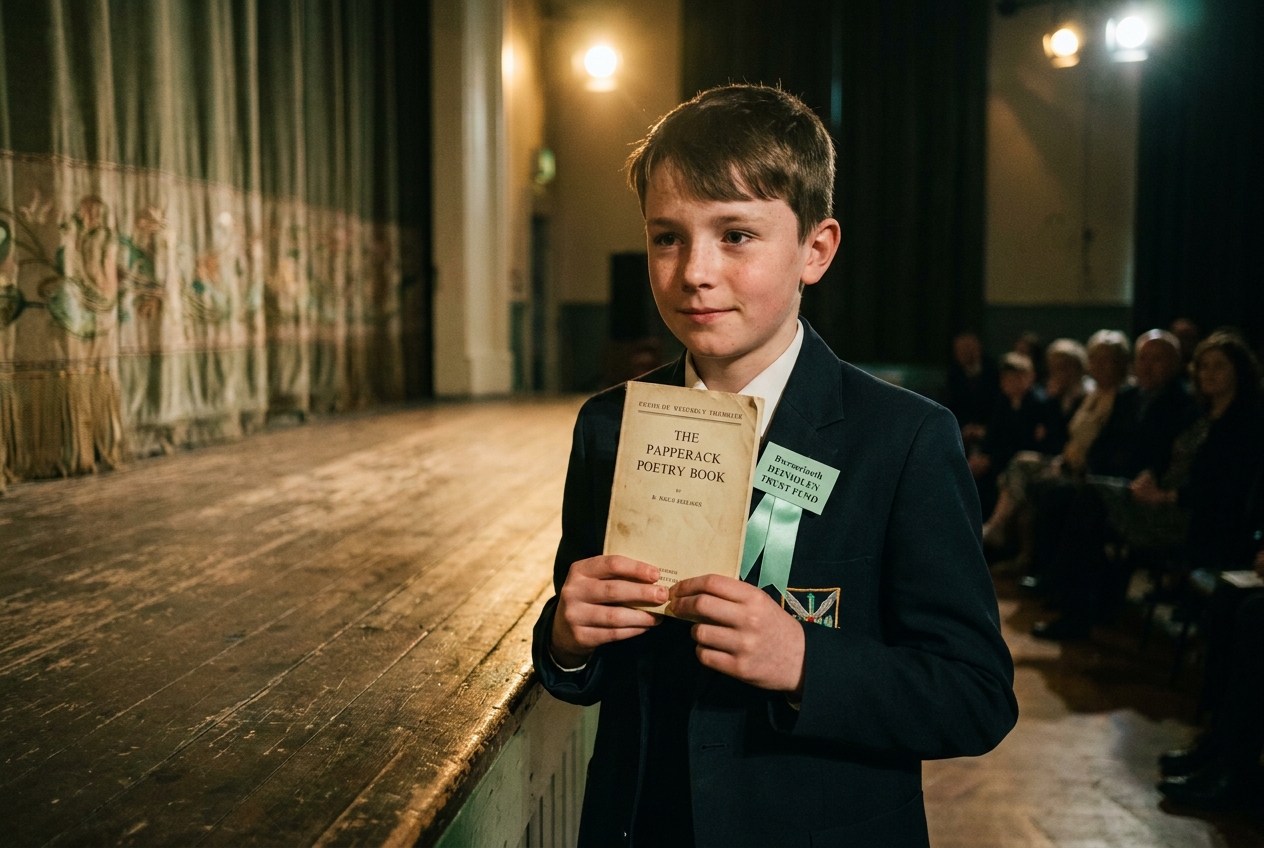
Small bursaries to Deiniolen learners of any age — a set text for the GCSE Welsh exam, a coach to a school trip, an apprenticeship tool kit, the eisteddfod entry fee, an Open University textbook, a hearing-aid battery pack for a child returning to school. Grants are typically £25 to £150.
Who can apply: any Deiniolen learner, or a parent, or the school, or an employer of an apprentice resident in the village. What we will not fund: tuition fees, computer equipment above £150, or anything available free at school. We are particularly keen to support Welsh-medium learning at Ysgol Brynrefail and Coleg Menai.
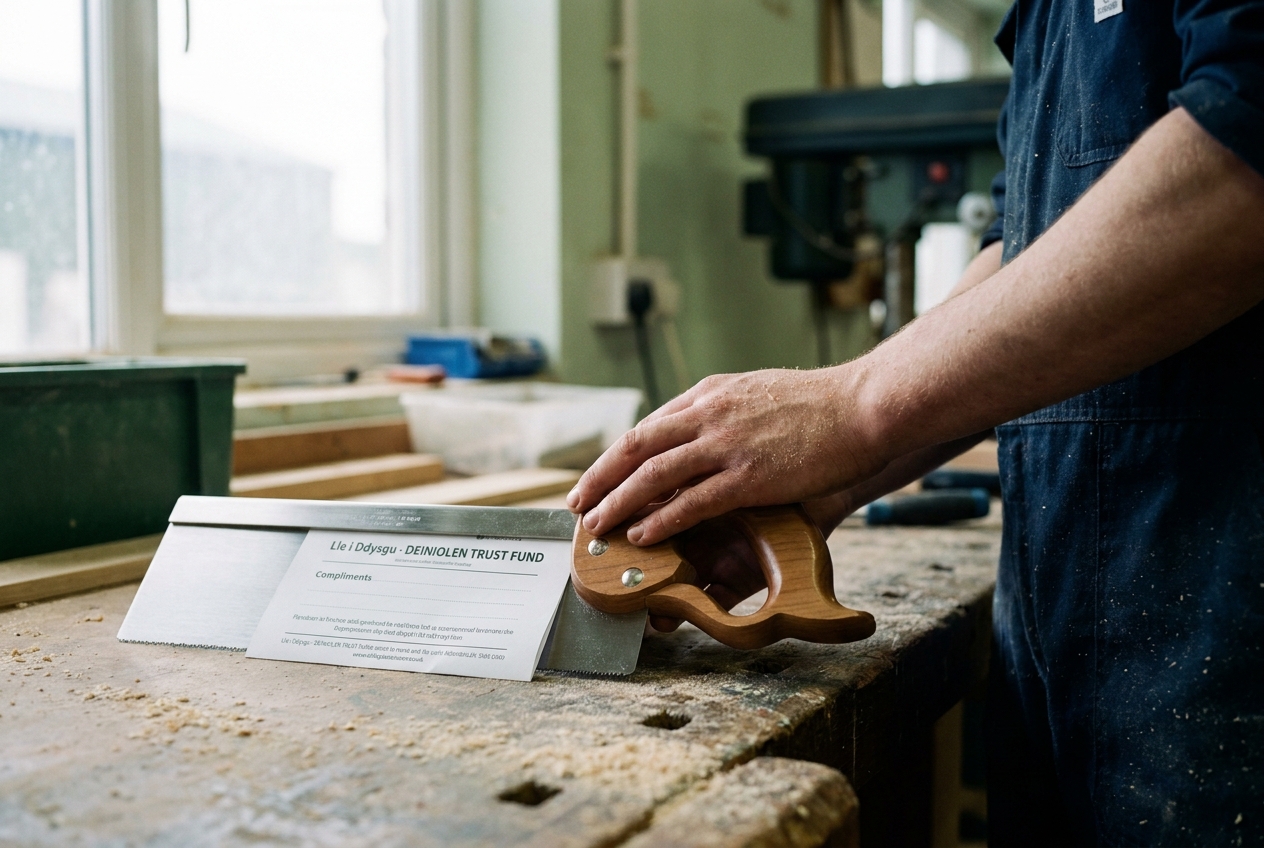
Recent grants: £40 for an Urdd Eisteddfod set-text book (April 2025); £80 toward an apprentice joiner’s tool kit (May 2025); £35 for an entry fee at Eisteddfod yr Urdd (May 2024); £60 for a coach to a Year 9 school trip (June 2024).
Supported by: Ysgol Gwaun Gynfi, Ysgol Brynrefail.
How to apply.
Write us a letter — half a page is plenty — or send an email to [email protected]. Tell us who you are, what you would like the trust to help with, and the rough amount you have in mind. We will reply within seven working days, and we will meet to decide at the next quarterly board meeting (or the May reserve meeting, if it is urgent). You may apply in Welsh or English. We do not have an online form on purpose — a letter is a small but real piece of trust between you and the four of us.
A grant, evening by evening.
Below is what a typical grant decision looks like from the inside, from the moment a letter arrives in Deiniolen to the moment a small cheque is posted from the Memorial Hall. We have written it out in five short steps because volunteers and new trustees sometimes ask, and because it demystifies a process that is, mostly, a kettle and a kitchen table.
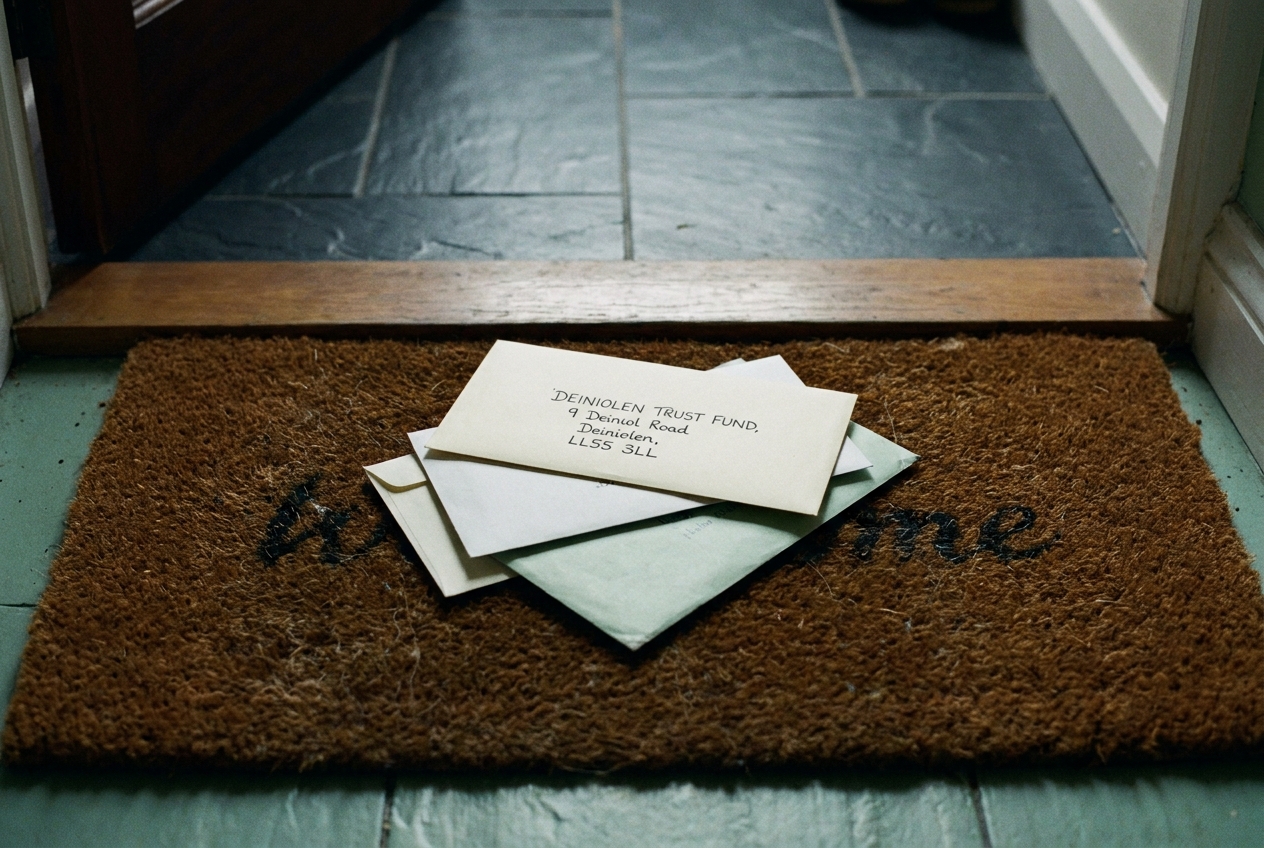
Step 1 · Letter arrives
Tuesday morning.
Posted to 9 Deiniol Road, or emailed to enquiries. Marina reads it the same week and acknowledges by return.
Step 2 · Read together
The Tuesday evening.
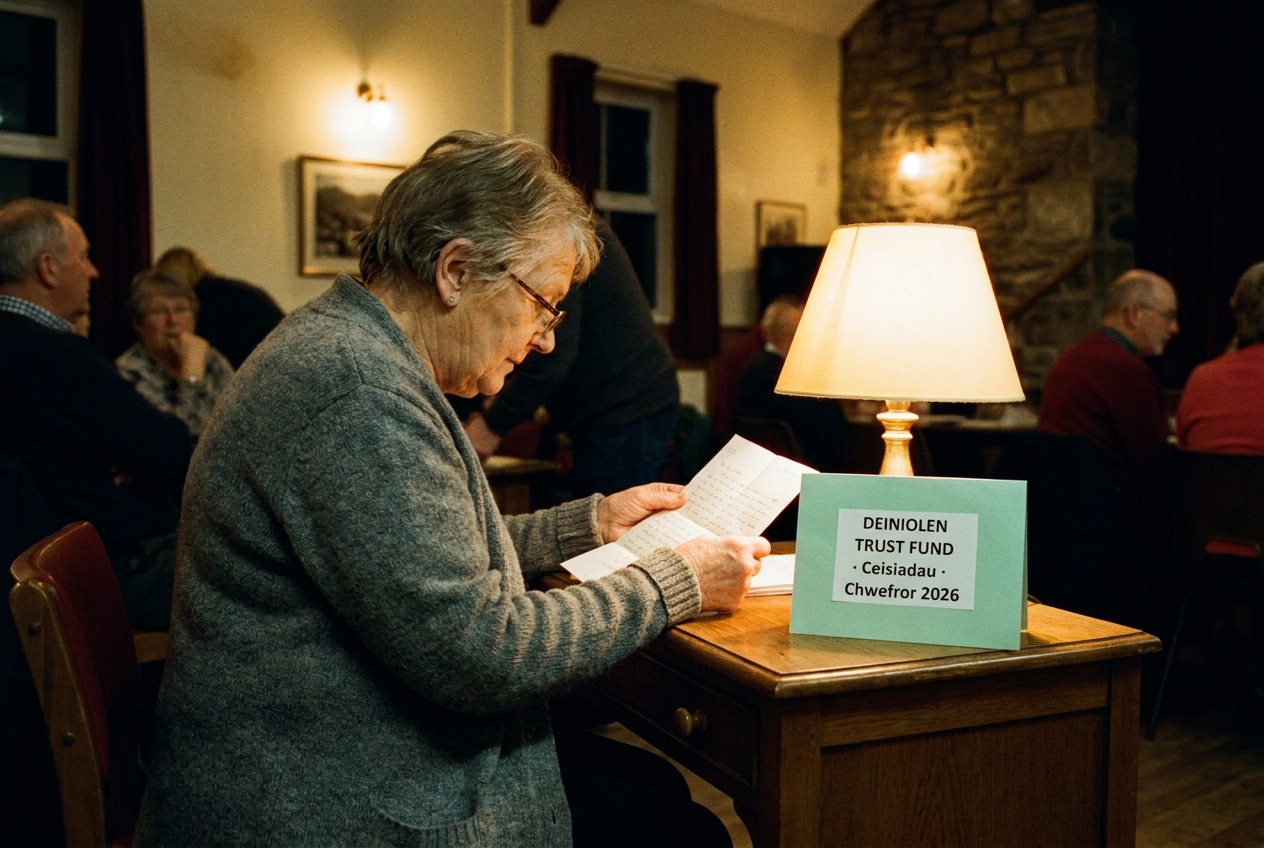
One trustee and one volunteer reader read each letter through, slowly, and sort it into one of the four programmes.
Step 3 · The board meets
January, or July.
All four trustees read the post-bag in batches. The treasurer reports the balance; decisions are taken by simple majority.
Step 4 · Cheque written
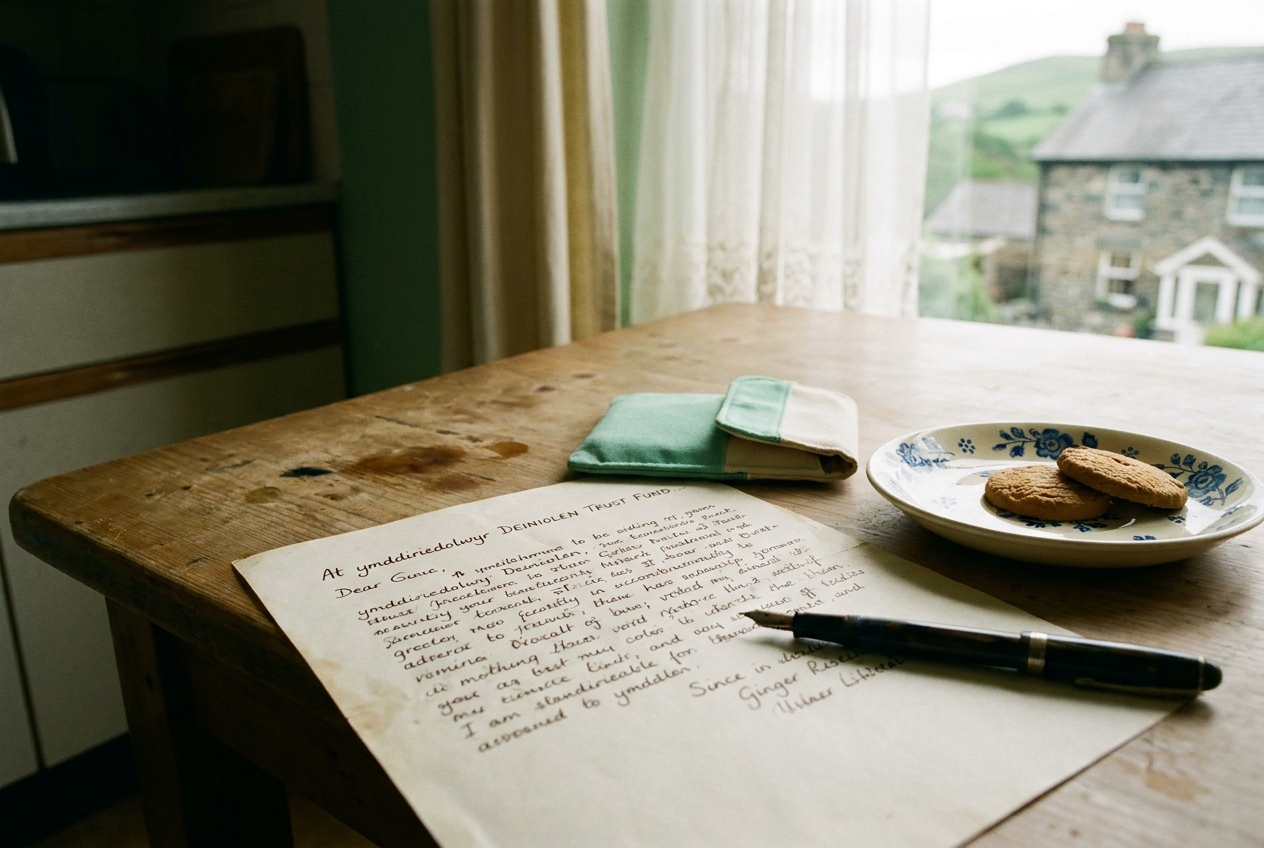
By fountain pen.
Gwyn writes the cheque on the spot; the counterfoil book is signed by two trustees.
Step 5 · Cheque posted
Friday morning.
Hand-addressed in fountain-pen ink. We never frank a Trust envelope; the village post-box gets it.
After
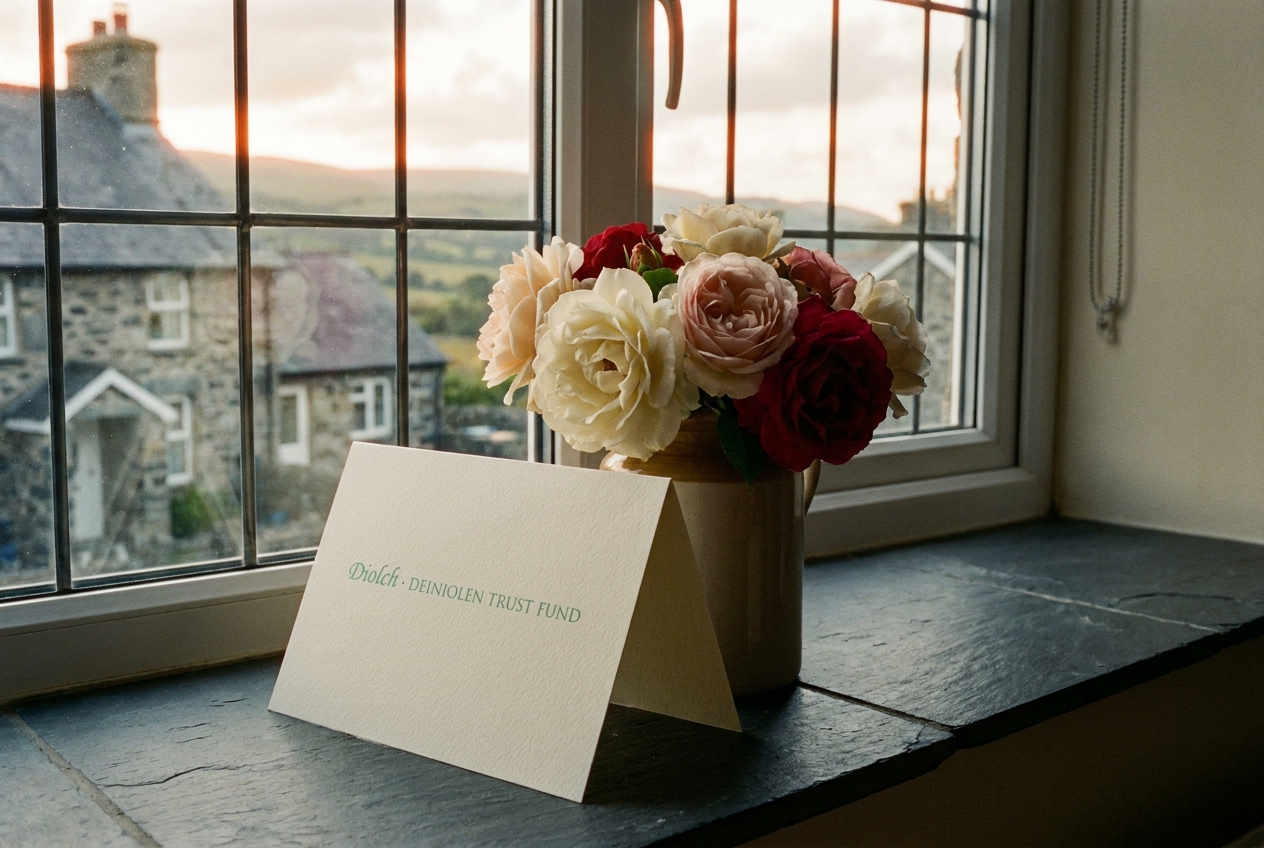
A small thank-you, usually.
Often a card; sometimes a slice of bara brith dropped at the door. We do not require either, but we are pleased when they come.
More from each programme.
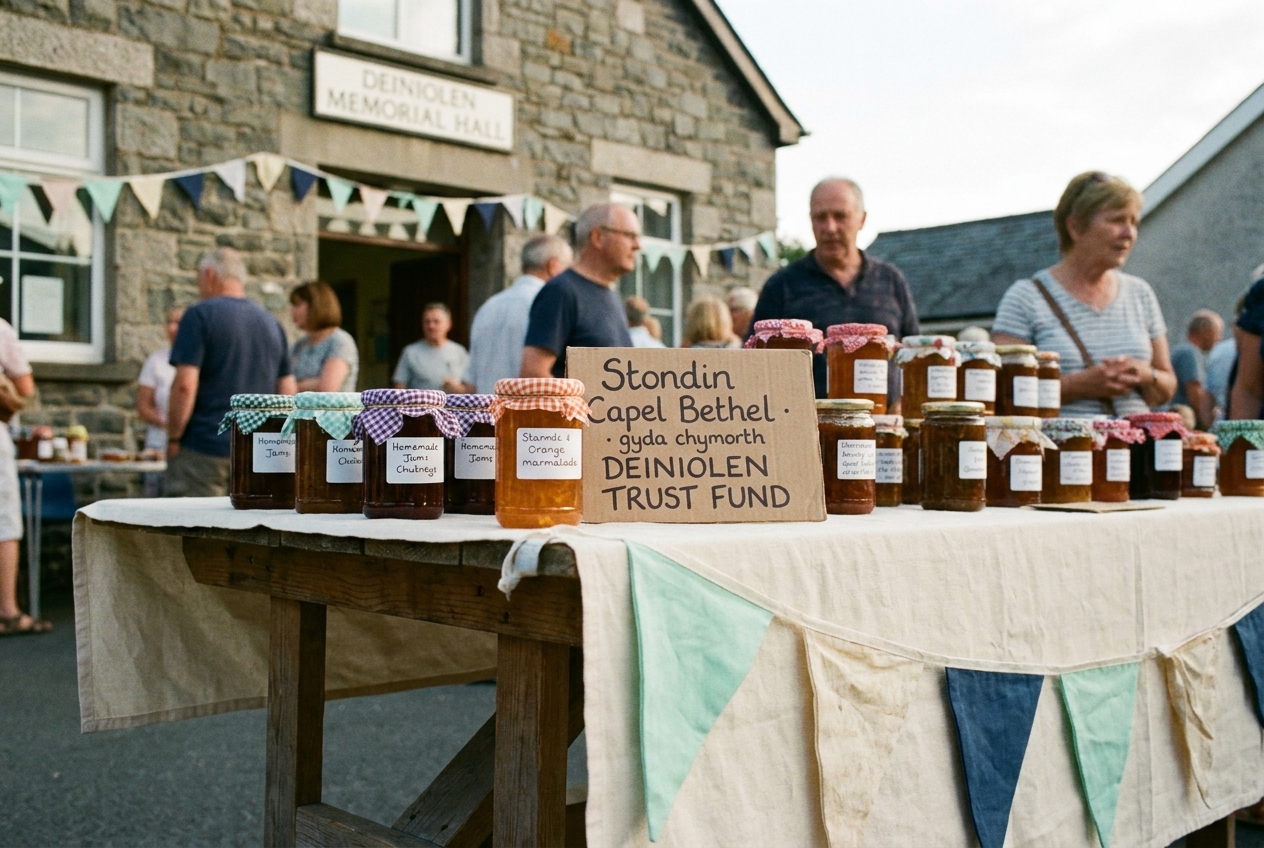
Eight further scenes from the four programmes — a small village fete, the football club’s new defibrillator cabinet, a fuel-card top-up, a school uniform, hospital corridor, chapel flowers, an Eisteddfod stage, an apprentice joiner. None of this is exceptional; all of it is the trust’s ordinary year.
Grantiau Cymunedol
Summer fete jam-stall.
Grantiau Cymunedol
Defibrillator cabinet, August.
Llaw i’r Aelwyd
Fuel-card top-up.
Llaw i’r Aelwyd
School uniform, September.
Galar a Gwellhad
Chapel flowers, two funerals.
Galar a Gwellhad
Taxi voucher to Ysbyty Gwynedd.
Lle i Ddysgu
Eisteddfod set-text bursary.
Lle i Ddysgu
Apprentice tool-kit, Brynrefail.
Ready to write?
A letter, or a kitchen-table conversation. Either works.